


The key ingredient to building trust and boosting SEO
With cyber threats and data breaches on the rise, internet users have become increasingly cautious about sharing their personal information online. That’s where having an SSL certificate comes into play. Whether you’re a small business, an e-commerce store, or a personal blog, every website needs an SSL certificate to establish trust with your visitors.
An SSL certificate, or Secure Sockets Layer certificate, encrypts the data that is exchanged between a user’s web browser and your website. This encryption ensures that sensitive information, such as passwords, credit card details, and personal data, cannot be intercepted by hackers.
However, an SSL certificate does more than just protect your users’ information. It also plays a significant role in search engine optimisation (SEO). Google has confirmed that having an SSL certificate is a ranking factor. This means that websites with SSL certificates are more likely to rank higher in search engine results, resulting in increased visibility and traffic.
What is an SSL certificate?
An SSL certificate is a digital certificate that verifies the identity of a website and enables secure connections between the website and its visitors. It works by encrypting the data that is transmitted between the user’s browser and the website, making it virtually impossible for hackers to intercept and decipher the information. The SSL certificate creates a secure connection by using a combination of public and private keys. When a user visits a website with an SSL certificate, their browser checks the validity of the certificate and establishes a secure connection with the website’s server. This ensures that any data transmitted between the user and the website is encrypted and protected from unauthorised access.
In addition to encryption, an SSL certificate also provides authentication. It verifies that the website is legitimate and that the information provided by the website owner is accurate. This helps to prevent phishing attacks, where hackers attempt to trick users into providing their personal information on fake websites. Overall, an SSL certificate is an essential tool for securing the communication between a website and its visitors, protecting sensitive data, and establishing trust.
Importance of an SSL certificate for website security
The security of a website is of paramount importance, especially when it comes to protecting sensitive user information. Without an SSL certificate, the data transmitted between a user’s browser and the website is vulnerable to interception by hackers. This puts the user at risk of having their personal information stolen or misused.
An SSL certificate encrypts this data, making it unreadable to anyone who might intercept it. This ensures that even if hackers manage to intercept the data, they won’t be able to decipher it without the encryption key. This adds an extra layer of security and helps to safeguard sensitive information such as passwords, credit card details, and personal data.
Furthermore, having an SSL certificate also helps to prevent man-in-the-middle attacks. These attacks occur when a hacker intercepts the communication between a user and a website and impersonates the website to gain access to sensitive information. With an SSL certificate, the user’s browser will detect any attempts to manipulate the data or impersonate the website, thus protecting the user from such attacks.
By implementing an SSL certificate, website owners can demonstrate their commitment to security and prioritise the protection of their users’ data. This builds trust with visitors, reassuring them that their information is safe and encouraging them to engage more freely with the website.
How an SSL certificate builds trust with website visitors
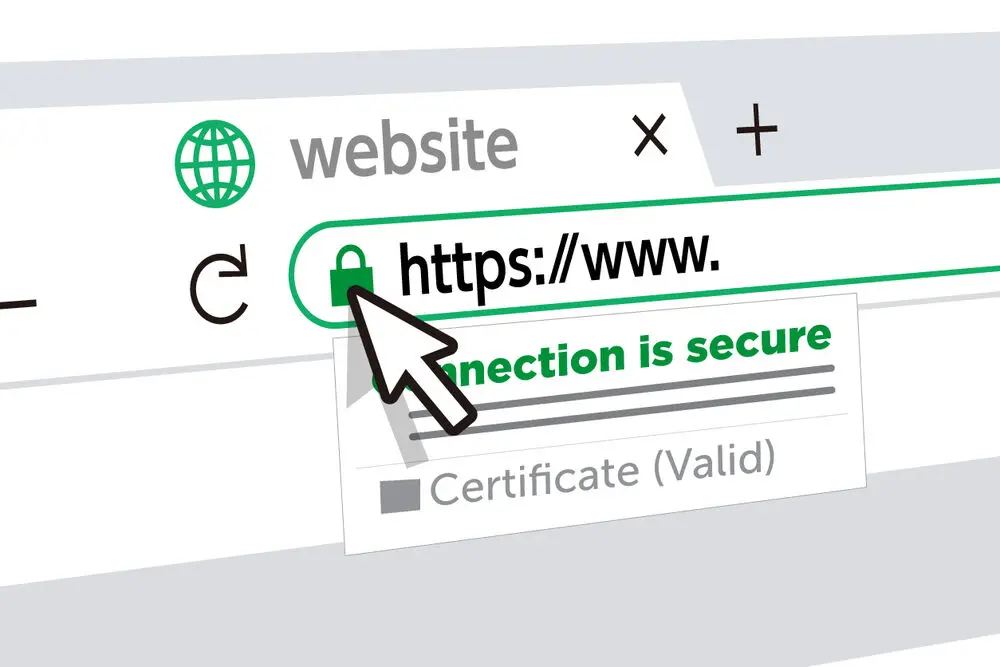
Trust is a crucial factor in establishing a successful online presence. When visitors trust a website, they are more likely to engage with its content, make purchases, and share their personal information. An SSL certificate plays a pivotal role in building trust with website visitors. First and foremost, an SSL certificate provides visual cues that indicate a secure connection. When a website has an SSL certificate, the browser displays a padlock icon next to the website’s URL, indicating that the connection is secure. Some browsers also display a “Secure” label next to the URL, further reinforcing the trustworthiness of the website. These visual indicators help visitors feel confident that their data is protected and that the website is legitimate. They provide a sense of security and peace of mind, encouraging visitors to explore the website and interact with its content without fear of their personal information being compromised.
In addition to visual indicators, an SSL certificate also improves the perception of a website’s credibility. When visitors see that a website has taken the necessary steps to secure their data, they view the website as more trustworthy and reliable. This perception of credibility can significantly impact the success of an online business, as customers are more likely to make purchases and share their information with websites they trust.
Moreover, having an SSL certificate is especially crucial for e-commerce websites. Customers are often required to provide sensitive information, such as credit card details, when making a purchase. An SSL certificate ensures that this information is protected, giving customers the confidence to complete their transactions.
By investing in an SSL certificate, website owners can establish trust with their visitors, enhance their credibility, and ultimately, drive engagement and conversions.
SSL certificate and its impact on SEO
In recent years, search engines, particularly Google, have placed a greater emphasis on website security. Google has confirmed that having an SSL certificate is a ranking factor, meaning that websites with SSL certificates are more likely to rank higher in search engine results. The reason behind this is simple: Google aims to provide its users with the best possible browsing experience. Security is a key component of a good user experience, and Google prioritises websites that prioritise security. By rewarding websites with SSL certificates, Google incentivises website owners to implement the necessary security measures, ultimately benefiting both users and website owners.
In addition to the direct impact on rankings, an SSL certificate can also indirectly boost SEO efforts. When visitors feel secure and trust a website, they are more likely to spend more time on the website, engage with its content, and share it with others. These user engagement signals are important factors that search engines consider when determining the quality and relevance of a website’s content.
Furthermore, an SSL certificate can also help to reduce bounce rates and improve user experience. When visitors encounter a website without an SSL certificate, their browsers may display warnings or block access to the website altogether. This creates a negative user experience and leads to higher bounce rates. By implementing an SSL certificate, website owners can ensure uninterrupted access to their website, reducing bounce rates and improving user engagement.
Overall, an SSL certificate has a significant impact on a website’s SEO efforts. By improving rankings, increasing user engagement, and enhancing user experience, an SSL certificate can help website owners attract more organic traffic and achieve higher visibility in search engine results.
Types of SSL certificates and how to choose the right one
When it comes to SSL certificates, there are several types to choose from, each offering different levels of security and validation. The right type of SSL certificate for your website depends on your specific needs and requirements.
Domain Validated (DV) SSL Certificates
These are the most basic type of SSL certificates and are suitable for small websites and personal blogs. They verify the ownership of the domain but do not provide information about the company or organisation behind the website.
Organisation Validated (OV) SSL Certificates
These certificates offer a higher level of validation and are ideal for small to medium-sized businesses. In addition to verifying the domain ownership, they also verify the company or organisation’s details, providing visitors with more information about the website’s legitimacy.
Extended Validation (EV) SSL Certificates
These certificates provide the highest level of validation and are recommended for e-commerce websites and websites that handle sensitive information. They require a thorough verification process, including legal and physical checks, to ensure the legitimacy of the website. EV SSL certificates display the website owner’s name in the browser’s address bar, instilling a greater sense of trust in visitors.
When choosing an SSL certificate, it’s important to consider your website’s needs, the level of validation required, and your budget. While DV certificates are more affordable, they may not provide enough assurance for websites that handle sensitive information. On the other hand, EV certificates offer the highest level of trust and validation but come at a higher cost.
Common misconceptions about SSL certificates
Despite the importance of SSL certificates, there are still several misconceptions surrounding them. Let’s debunk some of the most common misconceptions:
SSL certificates are only necessary for e-commerce websites
While e-commerce websites handle sensitive information and require a higher level of security, SSL certificates are beneficial for all types of websites. Any website that collects user data, such as contact forms or login pages, can benefit from an SSL certificate to protect that data.
SSL certificates slow down website performance
While SSL certificates do add an extra layer of encryption, modern SSL certificates have minimal impact on website performance. The benefits of security and improved SEO outweigh any potential performance impact.
Free SSL certificates are less secure than paid ones
Free SSL certificates, such as those offered by Let’s Encrypt, provide the same level of encryption as paid certificates. The main difference lies in the level of validation and additional features offered by paid certificates.
Once you install an SSL certificate, you’re fully protected
While an SSL certificate is an essential security measure, it’s not the only one. It’s important to regularly update your website’s software, use strong passwords, and implement other security measures to ensure comprehensive protection.
Benefits of an SSL certificate beyond security and SEO
While security and SEO are the primary reasons to invest in an SSL certificate, there are several additional benefits that come with it:
1. Enhanced customer trust: By implementing an SSL certificate, website owners can demonstrate their commitment to protecting their customers’ data, ultimately building trust and credibility.
2. Compliance with regulations: Many industries and regions have specific regulations regarding the handling of personal data. An SSL certificate helps websites comply with these regulations and avoid potential penalties.
3. Improved mobile compatibility: SSL certificates are crucial for mobile compatibility, as many mobile browsers require a secure connection to load websites properly.
4. Protection against phishing attacks: An SSL certificate helps prevent phishing attacks by verifying the legitimacy of a website and protecting users from submitting their information on fake websites.
5. Access to HTTP/2 protocol: Many modern web technologies, such as HTTP/2, require a secure connection to function properly. By implementing an SSL certificate, websites can take advantage of these advanced technologies and improve performance.
SSL certificate best practices for website owners
To make the most of your SSL certificate and ensure optimal security, here are some best practices to follow:
1. Always choose the appropriate type of SSL certificate based on your website’s needs and security requirements.
2. Keep your SSL certificate up to date by renewing it before it expires. Failure to renew your certificate can result in security warnings and loss of trust from visitors.
3. Regularly monitor your SSL certificate’s expiration date and set up automated reminders to avoid any lapses in security.
4. Implement HTTP Strict Transport Security (HSTS) to ensure that all traffic to your website is redirected to the secure HTTPS version.
5. Use strong encryption algorithms and key lengths to maximise security. Avoid using outdated encryption methods that are vulnerable to attacks.
6. Monitor your website for any security vulnerabilities and apply security patches promptly.
7. Regularly backup your website and its SSL certificate to ensure that you can recover in case of a security incident or hardware failure.
By following these best practices, you can maintain a secure and trusted website that provides a positive experience for your visitors.
0 Comments